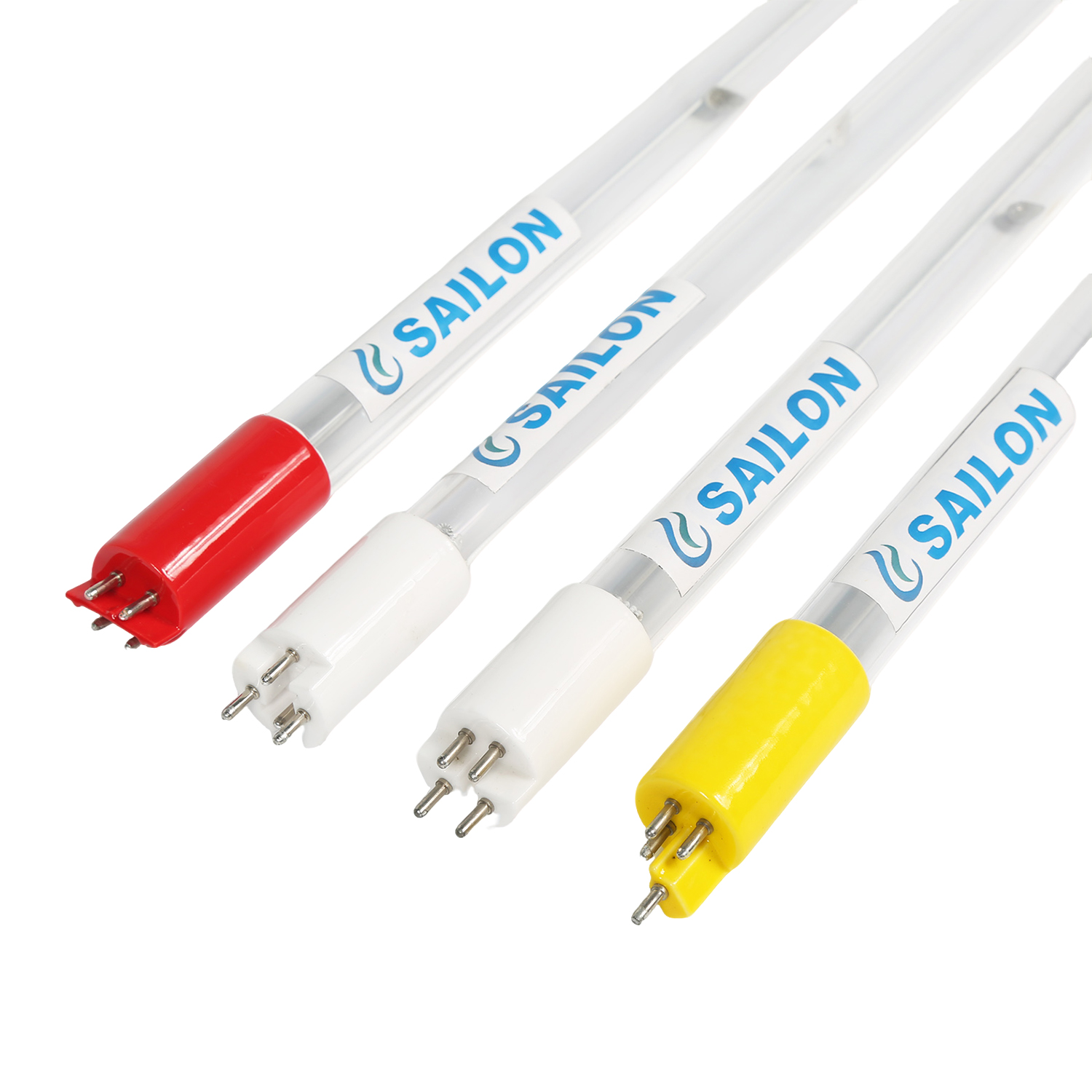
While ultraviolet light is widely recognized as a powerful sterilization tool, many facility managers and users often notice a distinct, slightly "burnt" or metallic smell after running their units. This common observation naturally leads to valid concerns about whether the lingering odor poses a health risk. The direct answer is straightforward: yes, certain models of the ultraviolet disinfection lamp do produce ozone gas. However, this is certainly not a universal feature across all devices.
The production of this gas is never a random byproduct. Instead, it is a deliberate engineering outcome that depends entirely on the specific wavelength of the UV light emitted—such as the 185nm wavelength versus the standard 254nm—and the precise type of glass tube used during manufacturing. This comprehensive guide will break down the objective science behind how these devices create ozone, compare ozone-producing versus ozone-free systems, explore heavy-duty commercial applications, and provide the essential safety protocols needed to make an informed, compliant purchasing decision.
Key Takeaways
Wavelength is the Deciding Factor: Equipment operating at the 185nm wavelength actively produces ozone by splitting oxygen molecules, whereas standard 254nm lamps do not possess the required photon energy to do so.
The Glass Housing Matters: The physical material of the quartz tube (pure fused versus titanium dioxide doped) dictates whether ozone-producing wavelengths can actually escape the bulb and interact with the ambient air.
Dual-Action Cleaning: Ozone-producing UV systems offer a "dual-action" approach. The UV light sanitizes surfaces in its direct line of sight, while the expansive gas cleans the air and penetrates deep into shadowed, unreachable areas.
Strict Safety Protocols are Required: Ozone is a highly reactive respiratory irritant. Proper airflow management and strict usage guidelines are completely non-negotiable when operating this class of equipment.
Application Dictates Choice: Ozone-free lamps remain the standard for occupied spaces. Conversely, ozone-generating units are reserved for unoccupied industrial applications, aggressive odor remediation, and commercial food processing.
How Does an Ultraviolet Disinfection Lamp Work?
To fully grasp how these purification devices function, we must first look at the basic principles of Ultraviolet Germicidal Irradiation (UVGI) technology. Consider a pharmaceutical cleanroom where absolute sterility is non-negotiable. UVGI provides the invisible, chemical-free force that makes this environmental control possible.
The UV Light Spectrum (UV-A, UV-B, UV-C)
The ultraviolet spectrum is invisible to the human eye and is categorized into three primary bands based on wavelength. UV-A and UV-B are naturally present in sunlight. UV-C light (specifically between 200nm and 280nm), however, is almost entirely absorbed by the Earth's atmosphere. This specific UV-C band is the highly energetic, germicidal range utilized in commercial sterilization. When microorganisms are exposed to this intense radiation, the photons penetrate their cellular walls. This disrupts the DNA and RNA sequences of bacteria, viruses, and mold spores, preventing them from replicating and effectively neutralizing the biological threat.
The Core Components of a UV Lamp
At a fundamental level, a UV purification device operates similarly to a standard fluorescent tube but features highly specialized modifications. The primary components include the electrical electrodes, the internal active gases, and the clear glass tube housing the plasma reaction. Inside this sealed environment, a specific mixture of inert starter gases (like argon) and a precise amount of mercury vapor is contained. When an electrical current is applied through the ballast, it excites the internal vapor. As these excited molecules return to their baseline energy state, they release massive amounts of energy in the form of intense ultraviolet photons.
The Science Behind Ozone Generation in UV Light
Understanding how a simple light source can physically create a reactive gas requires a brief look at the chemical reactions occurring in the surrounding air. It is a predictable process driven by quantum physics, which perfectly explains why heavily treated environments smell like a thunderstorm after a cleaning cycle.
Breaking Down Oxygen Molecules
The air we breathe contains roughly 21% ambient oxygen, which naturally exists as pairs of atoms bonded together (O2). High-energy UV photons collide with these ambient oxygen molecules. If the light possesses enough energy, it triggers a process called photolysis. The intense light energy acts like a microscopic hammer, shattering the strong chemical bond holding the O2 molecule together and splitting it into two individual, highly unstable oxygen atoms (O + O). Because these single atoms cannot remain isolated, they rapidly seek out and attach themselves to other intact O2 molecules nearby. This new, unstable chemical combination forms O3, scientifically known as ozone.
Why Only Specific Lamps Produce Ozone
It is crucial to understand that this specific chemical reaction requires a massive energy threshold. The bonds holding an O2 molecule together are incredibly robust. Standard commercial lighting simply does not have the power to break them. Creating ozone requires extremely short ultraviolet wavelengths—specifically, those shorter than 200nm. If a device emits light at 254nm, the photons just bounce off the oxygen molecules without breaking them apart. Therefore, the creation of this gas is always a deliberate design choice rather than an accidental flaw.
The Role of the 185nm Wavelength in Ozone Generation
When discussing ozone-producing equipment, the conversation almost exclusively revolves around specific wavelengths that fall below that critical 200nm energy threshold.
185nm vs. 254nm: What is the Difference?
In the commercial sterilization market, engineers and buyers will primarily encounter two specific UV-C wavelengths: 254nm and 185nm. The 254nm wavelength is the undisputed industry standard for direct surface and air disinfection. It sits incredibly close to the peak germicidal wavelength, making it highly efficient at destroying pathogens upon direct contact. However, it lacks the photon energy required to split oxygen molecules, meaning it produces absolutely zero ozone.
In stark contrast, the 185nm wavelength carries significantly more energy. While it also possesses strong germicidal properties, its primary engineering characteristic is its ability to efficiently split O2 molecules for intentional, high-volume gas production.
Feature
254nm Wavelength
185nm Wavelength
Primary Function
Direct Germicidal Irradiation (DNA/RNA disruption)
Photolysis (Splitting O2 to create O3)
Ozone Production
None (Ozone-Free)
High
Reach
Line-of-sight only (Surfaces the light touches)
Expansive (Gas fills the entire volume of the room)
Unoccupied warehouses, odor remediation, water AOP
Excimer Lamps and High-Efficiency Ozone Production
Furthermore, recent technological advancements have introduced excimer lamp technology to the commercial market. These systems use noble gas halides to produce very specific, narrow-band UV light without relying on mercury. Specialized excimer lamps can be engineered specifically for high-efficiency gas production. These industrial-grade lamps operate well below the 200nm threshold, designed to maximize the conversion of O2 to O3 for rapid, large-scale chemical oxidation in water treatment and exhaust scrubbing.
Ozone-Producing vs. Ozone-Free Ultraviolet Disinfection Lamps
For consumers and facility managers, choosing the right equipment comes down to understanding how manufacturers physically control these wavelengths. The secret lies entirely in the glass formulation.
How the Lamp Envelope Controls Ozone
The plasma inside a standard low-pressure mercury UV lamp naturally generates both 254nm and 185nm wavelengths simultaneously. Whether the device actually releases ozone into the room depends entirely on the Lamp Envelope acting as a strict physical filter.
Pure Fused Quartz: This high-purity material is completely transparent to all UV radiation. Because the 185nm light can pass freely through the quartz and into the ambient air, the device acts as an active ozone-producing unit.
Doped Quartz (Titanium Dioxide): To create an "ozone-free" model, manufacturers add a precise amount of titanium dioxide to the quartz during the high-temperature melting process. This doping acts as a microscopic shield. It completely blocks the 185nm wavelength from escaping the bulb, while still allowing the germicidal 254nm light to pass through unimpeded.
Which One is Right for You?
The choice between the two depends heavily on the specific operational environment. Ozone-free models are the standard, safe choice for occupied spaces like medical clinics, classrooms, and residential HVAC systems. They provide effective sterilization without introducing respiratory hazards. Conversely, ozone-producing units are strictly reserved for unoccupied spaces that require deep, pervasive sterilization, such as disaster restoration sites, heavily contaminated basements, or commercial trash compactor rooms.
Pros and Cons of Using an Ozone-Producing Ultraviolet Disinfection Lamp
Despite the inherent health risks associated with reactive gases, there are highly valid, empirically backed reasons why restoration professionals actively choose this specific equipment for complex sanitation tasks.
The Advantages (Pros)
Specifically, the most significant limitation of standard 254nm UV light is that it operates strictly on a line-of-sight basis. If a bacteria cell is hidden in the shadow of a desk or inside a porous fabric, the light cannot destroy it. Ozone gas, however, expands dynamically to fill the entire volume of a room. It provides a pervasive clean, disinfecting under tables, inside complex HVAC ductwork, and deep within carpets. In addition, it is an incredibly powerful oxidizing agent. It does not just mask smells; it alters the molecular structure of odor compounds, making it the superior choice for eliminating severe smoke damage, deep-seated mold smells, and harsh chemical off-gassing.
The Disadvantages (Cons)
On the flip side, the primary drawback is operational safety. The gas is highly toxic to humans, pets, and even indoor plants. Inhalation can cause severe respiratory irritation, throat damage, and exacerbate asthma. Beyond human health, ozone is a corrosive oxidizer. Prolonged or repeated exposure to high concentrations rapidly degrades natural rubber seals, tarnishes exposed copper wiring, and causes plastics and delicate fabrics to become brittle over time, leading to premature equipment failure in the treated environment.
Industry Trends: The Shift Toward Safer, Smart Sterilization
Recent market analyses and engineering reports highlight a significant shift in the UV sterilization sector. As regulatory bodies tighten indoor air quality standards, there is a massive surge in demand for smart, Ozone Generation controls and ozone-free UV-C solutions for occupied spaces. For instance, 222nm Far-UVC technology is gaining immense traction because it provides continuous germicidal benefits without penetrating the human stratum corneum or producing harmful gas levels.
Concurrently, the heavy industrial sector is adopting automated, high-output systems integrated with IoT (Internet of Things) sensors. These smart systems monitor ambient gas levels in real-time, ensuring automatic shut-offs and optimized exhaust cycles. This trend clearly indicates that while ozone remains indispensable for heavy-duty sanitation, the market is aggressively prioritizing user safety through advanced, automated technological safeguards.
Industrial and Commercial Applications of Ozone UV Lamps
Because of its powerful dual-action cleaning capabilities, the 185nm wavelength is heavily utilized across various commercial sectors where standard surface wiping falls drastically short.
Food Processing and Bakeries
In the commercial food industry, controlling airborne contaminants is critical. A single mold outbreak can ruin entire production batches, costing thousands of dollars. Facility managers frequently activate ozone-generating UV lamps overnight when the production floor is completely empty. The combination of direct UV-C light and expansive gas helps to drastically reduce airborne mold spores and surface bacteria on processing belts. By maintaining a sterile environment, food processors can naturally extend the shelf life of their products without relying on harsh liquid chemical washdowns.
HVAC and Air Purification Systems
Large-scale industrial facilities often install these specialized lamps directly inside heavy-duty air handling units. This setup allows for continuous gas generation to treat and purify the air as it circulates through the building. The oxidization process neutralizes airborne contaminants and volatile organic compounds (VOCs). However, these complex systems must be carefully calibrated by mechanical engineers to ensure that the gas completely dissipates or is filtered out via activated carbon before the treated air reaches areas occupied by workers.
Water and Wastewater Treatment
Beyond air purification, UV technology is a cornerstone of modern municipal fluid management. In wastewater facilities, the 185nm wavelength is highly valued for Advanced Oxidation Processes (AOP). The intense light and the resulting gas work synergistically to break down complex organic contaminants, pharmaceutical residues, and toxic industrial chemicals in the water that standard physical filtration simply cannot remove.
Safety First: Proper Ventilation and Usage Guidelines
Operating any equipment capable of producing toxic gas requires a strict, uncompromising commitment to safety. Because it is a known respiratory hazard, facility managers and homeowners alike must follow strict operational protocols to prevent severe injuries.
The Importance of Post-Disinfection Ventilation
It cannot be overstated: a room treated with an ozone-producing device must never be entered immediately after the disinfection cycle ends. The gas lingers heavily in the air and requires time to naturally revert back to breathable oxygen (O2). Proper Ventilation is the most critical step in the entire process. Once the lamp turns off, windows should be opened, and high-CFM HVAC exhaust fans should be run at maximum capacity. With aggressive airflow, the unstable molecules typically break back down into safe oxygen within 30 to 60 minutes. Without adequate exhaust, the gas can remain at dangerous levels for several hours.
Safe Operating Procedures
To mitigate human error, these devices should always be operated using automated controls. Utilizing digital timers, remote controls, or smart plugs ensures the operator can power the unit on and off from safely outside the treatment zone. Furthermore, advanced commercial units now feature highly sensitive microwave motion sensors that will instantly cut power to the ballast if a person or pet accidentally breaches the room during the active sterilization cycle.
How to Choose the Right Ultraviolet Disinfection Lamp for Your Needs
Selecting the correct equipment prevents accidental chemical exposure and ensures your specific hygiene goals are met efficiently without damaging your facility's infrastructure.
Assess Your Space and Needs
Before purchasing, objectively evaluate the physical space and your primary objective. Are you disinfecting a small residential bathroom or a massive commercial warehouse? The cubic footage will directly dictate the required wattage of the unit. Next, define the exact problem. If you need to eliminate deep-seated smoke odors in a fire-damaged property, an ozone-producing model is strictly required. If your goal is simply to sanitize high-touch surfaces in a busy medical clinic safely between patients, an ozone-free model is the only appropriate choice.
Verify the Lamp Specifications
Never assume a device is ozone-free just by looking at its exterior casing. Buyers must read product descriptions and technical specification sheets very carefully. Look for explicit mentions of the glass material. If the spec sheet lists "pure fused quartz" or highlights a "185nm" output, the device will produce gas. If the manufacturer explicitly states "Ozone-Free," "Doped Quartz," or only lists a "254nm" output, it is safe for standard surface disinfection without creating respiratory hazards.
Conclusion
An ultraviolet disinfection lamp can indeed produce ozone gas, but this only happens if it is specifically engineered to emit the 185nm wavelength through a pure quartz envelope. While this generation process provides a highly comprehensive and deep clean—reaching shadowed areas and destroying stubborn odors effectively—it is not suitable for every environment. This dual-action sterilization requires strict adherence to safety protocols, making proper exhaust ventilation absolutely essential after every use. By carefully assessing your specific disinfection needs, understanding the underlying physics, and verifying product specifications, you can harness the immense power of commercial UV technology safely and effectively.
FAQ
How long does it take for ozone from a UV lamp to dissipate?
With proper ventilation and high-CFM exhaust fans, ozone typically reverts to breathable oxygen within 30 to 60 minutes after the ultraviolet disinfection lamp is powered down. Opening windows and establishing cross-breeze will significantly speed up this natural dissipation process.
Can I stay in the room while an ozone-producing UV lamp is on?
Absolutely not. Ozone is a known, severe respiratory hazard, and direct UV-C light causes immediate damage to the skin and corneas. The room must be entirely vacant of humans, pets, and indoor plants during the entire operational cycle.
Do 222nm Far-UV lamps produce ozone?
Generally, 222nm Far-UVC lamps produce negligible to no ozone. This unique physical characteristic makes them significantly safer for continuous use in occupied indoor spaces compared to traditional 185nm ozone-generating lamps.
How do I know if my ultraviolet disinfection lamp produces ozone?
Check the manufacturer's official engineering specifications. If the documentation lists a 185nm wavelength or explicitly mentions a "pure fused quartz" lamp envelope, it produces ozone. If it says "Ozone-Free" or lists only 254nm, it does not.
Does ozone leave a smell?
Yes, ozone has a very distinct, sharp, slightly metallic or "burnt" smell. Engineers and restoration professionals often compare it to the crisp, static smell of the air outside just after a severe lightning storm or near a high-voltage electrical spark.